
Kannada Brahmin Wedding
Kannada Brahmin Wedding Kannada Brahmin Wedding Rituals – Simple Guide The Kannada Brahmin community has different sub-sections, mainly Madhwas and Smarthas, with some variations in their traditions, customs, and rituals. 🌸 Pre-Wedding Rituals 1. Naandi Performed to seek blessings from ancestors. Especially seeks blessings from the father’s side. Prayed for: Family lineage Prosperity A successful marriage Madhwas: Perform Naandi Shastra. Smarthas: Usually perform Navagraha Homa, followed by Gana Homa and other family-specific homas. 2. Malneeru / Suragi Snana A purification ritual performed before the wedding. Bride/groom and their mother take part. Five married women pour sacred water under the Chappara. In North Karnataka Brahmin families, both Madhwas and Smarthas follow Suragi Snana. Oil and turmeric are applied before the ritual. Today, this is often celebrated grandly as a Haldi ceremony. 3. Chappara Pooja The wedding Chappara is worshipped. Prayers are offered to the goddesses. The ritual seeks: Divine protection Family well-being Auspiciousness 4. Hooveelya Elderly women from the father’s family are honored. They are given: Fruits Flowers Turmeric Kumkum The ritual expresses respect and gratitude toward elders. These pre-wedding rituals are generally performed at both the bride’s and groom’s homes. They create an auspicious beginning to the wedding celebrations. 🌿 Welcoming the Groom Usually takes place a day before the wedding Muhurtham. The bride’s family reaches the wedding venue. They wait for the groom’s family to arrive. A special area is decorated with: Fruits Flowers Turmeric Kumkum Gifts These are presented as a traditional welcome. The ritual represents: Respect between both families Family bonding A new beginning for the couple 🌺 Varapooja A pre-wedding ceremony where both families reaffirm their commitment to the marriage. Begins with Ganesha Pooja. Lagnapatrike is read. It includes: Gotra Three generations of ancestors Gifts and traditional food items are exchanged. The ceremony creates a joyful and auspicious atmosphere before the wedding. 💛 Wedding Day 1. Gowri Pooja Performed by the bride. The bride prays to Gowridevi for: Long married life Harmony Prosperity The bride gives Marada Baagin to elderly women. It may contain: Grains Bangles Blouse pieces Turmeric Kumkum Coconut Fruits A special Baagin is often given to the future mother-in-law. The ritual seeks the blessings of elders for the bride’s married life. Disclaimer: The information provided in this blog is for general informational purposes only and is published in good faith. Wedding rituals and customs may vary based on family traditions, regional practices, and community; readers are advised to consult their family elders or priests for specific guidance.
Madhwa Smartha Brahmin Wedding
Madhwa vs Smartha Brahmin Weddings Here’s a blog that is written as a story, not as a comparison article. It creates curiosity, keeps readers engaged, and naturally introduces the differences. This style is much more likely to retain readers. Madhwa vs Smartha Brahmin Weddings: Can You Spot the Difference? Imagine you’re invited to two Brahmin weddings. The decorations are stunning. The fragrance of jasmine fills the air. The sound of the Nadaswara echoes through the wedding hall. The groom leaves for Kashi Yatra, the bride walks gracefully into the mandap, and the sacred fire is lit. As you watch the ceremonies unfold, you wonder… “Aren’t all Brahmin weddings the same?” At first glance, they certainly seem to be. The couple performs Jeerige Bella, the groom ties the Mangalya, the elders shower blessings, and together they take the sacred Saptapadi. But if you look a little closer, you’ll notice something fascinating. The difference isn’t in the wedding itself… It’s in the philosophy behind it. A Smartha Brahmin wedding follows Advaita, the philosophy of Adi Shankaracharya, where all forms of God are worshipped equally. Throughout the ceremony, prayers are offered to deities such as Shiva, Vishnu, Ganesha, Shakti, and Surya. Madhwa Vs Smartha Brahmin Wedding : Differences Explained Key Differences Between Madhwa and Smartha Brahmin Weddings A Madhwa Brahmin wedding, on the other hand, follows Dvaita, the philosophy of Sri Madhvacharya. Here, every ritual reflects deep devotion to Lord Vishnu, making the wedding distinctly Vaishnavite in its prayers and traditions. Once you know this, you’ll begin to notice the subtle differences. During Nischayadhartham, Smartha weddings traditionally begin with Ganesha Pooja, while Madhwa weddings continue with prayers centered on Lord Vishnu after the Ganesha Pooja. In Devara Samaradhane, Smartha families worship their family deity according to the Panchayatana tradition, whereas Madhwa families primarily worship Lord Vishnu or one of His incarnations. If you observe the forehead of the elders, you’ll notice another beautiful distinction. Smarthas traditionally wear Vibhooti, while Madhwas wear Gopichandana, reflecting their respective traditions. Certain ceremonies, such as Nagoli, and even the order in which a few rituals are performed, may also vary from one sampradaya to another. Although rituals like Kashi Yatra, Antarpata, Kanyadana, Mangalya Dharana, and Saptapadi are common to both, the mantras and slokas recited differ according to the Advaita and Dvaita traditions. A few decades ago, these differences were followed with great precision. Every mantra, every ritual, and every custom reflected the family’s sampradaya. Today, the picture is beautifully different. It is common to see a Smartha bride marrying a Madhwa groom, or a Madhwa bride marrying a Smartha groom. Families now focus less on the differences and more on the shared identity of being Brahmins. Priests and elders often combine traditions respectfully, creating ceremonies that honour both families. Because, in the end, no one remembers whether one extra mantra was chanted or whether a ritual came before another. What everyone remembers… …is the smile on the bride’s face. …the blessings of the elders. …and the happiness of the newly married couple. That is the true purpose of every wedding. Whether it follows the Smartha tradition, the Madhwa tradition, or a beautiful blend of both, what truly matters is that two families come together and two hearts begin a lifelong journey. And perhaps that’s the prayer we all share—that every Brahmin boy and girl finds a loving Brahmin life partner, preserving our beautiful traditions while embracing the unity that binds us all together. Disclaimer: The information provided in this blog is for general informational purposes only and is published in good faith. Wedding rituals and customs may vary based on family traditions, regional practices, and community; readers are advised to consult their family elders or priests for specific guidance.
Brahmin Caterers Bangalore
Brahmin Wedding Caterers Bangalore Brahmin Marriage Catering Services in Bangalore There’s something magical about the early morning hours of a Brahmin wedding. The murmur of Sanskrit shlokas, the soft rustle of silk sarees, and – above all – the fragrance of hot idlis, ghee, and sambar wafting through the air. At Utsava Brahmin Events, we believe food isn’t just part of the event. It is the event. 🍛 What Makes Brahmin Food So Special? In Sanskrit, there’s a saying:“Brahmano Bhojana Priyaha” – A Brahmin is one who finds joy in food. Brahmin cuisine is not just about what’s on the plate. It’s about purity, emotion, variety, and tradition. ❌ No onion, no garlic ✅ Satwik, pure-veg dishes 🌿 Rich in flavor, made with love 🕉️ Deeply rooted in cultural and spiritual significance Just one bite of a perfectly steamed Mallige Idli, soaked with a spoon of ghee, and you’re instantly transported to your childhood – sitting cross-legged on the floor, banana leaf in front, and that familiar aroma filling the air.It’s the same moment after the Upanayanam, when uncles, aunts, and cousins gather for breakfast, and even with full stomachs, someone says with a smile, (Onde kadeya idli kodri… swalpa hasivayto antae!)(“Just one last idli, please… feels like I’m hungry again!”) Usually the breakfast and lunch on muhurtham day, be it Wedding or Upanayana, the onion and garlic is not at all used. Check our FAQs 1. Why No Onion or Garlic on Muhurtham Days? On auspicious days like Weddings or Upanayanams, the food is always Satvik – pure, clean, and spiritually uplifting. In traditional Brahmin cooking, onion and garlic are avoided because they are considered Rajasik (stimulating) and Tamasik (dulling) in Ayurveda. These ingredients can agitate the mind and are not used during rituals that focus on peace, purity, and devotion. The idea is simple: when the food is pure, the mind stays calm – and the blessings flow in. 2. In Brahmin traditions, why the food is often served on banana leaves? Banana leaves are used in Brahmin traditions for their spiritual significance, symbolizing purity and prosperity. They’re eco-friendly, enhancing food’s flavor and freshness naturally. The leaves are also rich in antioxidants, benefiting digestion and health. Serving food on them connects us to tradition and nostalgia, making each meal special. 3. What is the significance of the order in which food is served on banana leaves in Brahmin traditions? In Brahmin traditions, the order of food on a banana leaf is designed to create balance and harmony. Rice is placed at the center, symbolizing sustenance, while pickles and spicy dishes are served last to balance the flavors. This arrangement follows rituals that ensure digestive harmony and a spiritually uplifting meal, aligning with the principles of Satvik food. 4. Why Do People Say “Annadato Sukhibhava” After a Meal? Annadato Sukhibhava” translates to “May the giver of food be happy” or “May the one who provided the food be blessed 🎊 Events We Cater For We specialize in full-service catering for all traditional Brahmin events: Upanayanam (Sacred Thread Ceremony) Seemantham (Baby Shower) Shashti Poorthi (60th Birthday) Ayushya Homam & Naming Ceremonies Brahmin Weddings & Muhurthams Satyanarayana Poojas & Housewarming From the first muhurtham meal to the final sweet payasam, we make sure your event is remembered for its warmth, hospitality, and unforgettable taste. 🙌 Let’s Celebrate the Right Way We take care of everything – so you can focus on the blessings, not the logistics. Because when tradition, taste, and togetherness come together – ✨ That’s when the real celebration begins. ✨ “Looking for the perfect Brahmin wedding menu? We’re just a call away!” Our Brahmin Catering Menu Breakfast: Thatte idli, chutney & Carrot halwa Lunch: Pickle/Chutney 2 kosambri Beans curry Aloo curry Drakshi (raisins) gojju Peas capsicum lemon rice or vangibath Shavige payasam Tarkari kootu Rasam Dal obbattu and Ambode Curd Muhurtham Day: Breakfast: Davangere benne dose, Ottu Shavige, Chutney, Mysore bonda & Kashi halwa, Coffee, Tea 2 hrs after the breakfast : Pudina lemon juice and mango milkshake Lunch: Mango Pickle Carrot congress kadlekai kosambri Sprouted moong kosambri or guava kosambri or raw mango kosambri Pineapple gojju Raw mago chitranna Cabbage palya Yellow pumpkin palya Puri with sagu and hitakavare saagu majjige huli Rasam Peni with Milk & sugar Badam barfi Heerakai bajji / Veg Bonda Pal payasam Curd Beeda Ice cream Reach out to Utsava Brahmin Events best brahmin wedding caterers in Bangalore plans for customized sample menus, and full event planning. Let’s make your celebration not just memorable – but truly soulful.
Upanayanam Event Management at Bangalore
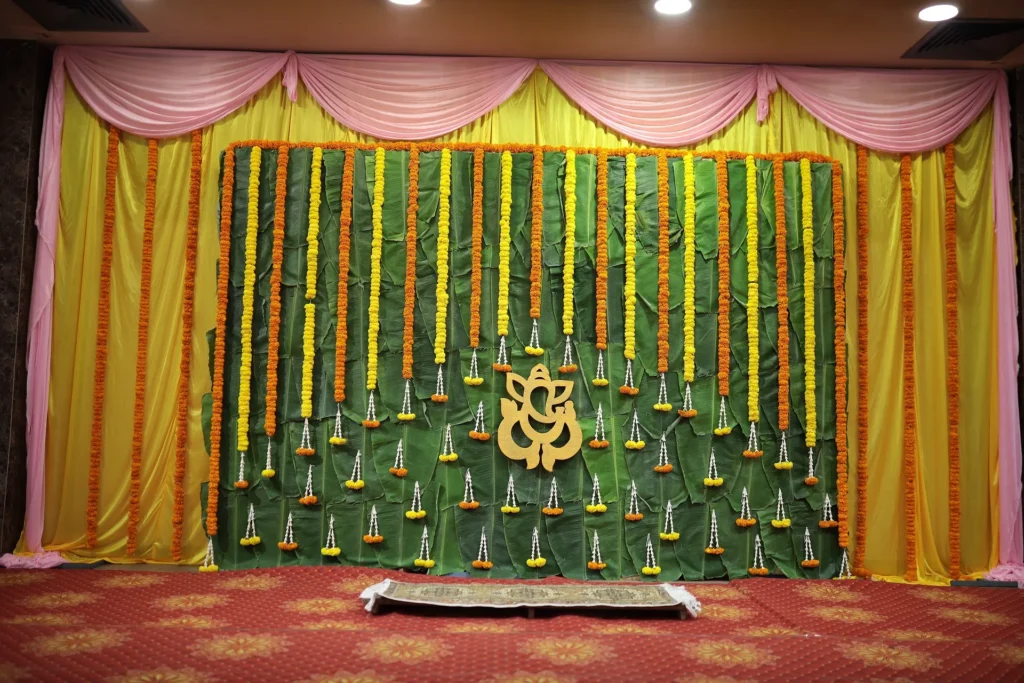
Upanayanam Event Management at Bangalore Upanayanam Event Management at Bangalore Upanayanam is an important samskara in the Brahmin community, and with changing lifestyles, families now seek professional event planners to handle everything seamlessly. Since parents want to organize Upanayanam for boys aged 8-15, they look for a one-stop solution that includes: Utsava Brahmin Events Management at Bangalore is the trusted Upanayanam planner who understands both the traditional expectations and the modern-day convenience families need. ✅ Venue Selection & Decoration – Choosing the right venue for an Upanayanam ceremony depends on your preference and budget. From intimate home setups and small halls to luxurious resorts and spacious kalyana mantaps, we provide end-to-end decoration services tailored to your needs. Our expertise includes: 🎗️ Traditional Themes – Authentic Vedic ambiance with floral and thoranam decor 🌿 Contemporary Styles – Elegant yet simple setups blending modern aesthetics 🏡 Home & Small Hall Decor – Minimal yet graceful arrangements for close gatherings 🏛️ Resorts & Large Mantaps – Grand stage setups, thematic decorations, and lighting No matter your choice, we ensure a beautiful and spiritually enriching Upanayanam experience that aligns with tradition while reflecting your personal taste Purohits & Ritual Arrangements for Upanayanam Finding the right priest for your son’s Upanayanam is crucial to maintaining the sanctity of the ritual. We help connect you with experienced purohits from different subsects, including Madhwas, Smarthas, Iyers, and Iyengars, ensuring that the ceremony follows your family’s traditional customs and Vedic procedures. Our services include: 🕉️ Authentic Rituals – Conducted as per your family’s tradition 📜 Customized Arrangements – Right from homams to sacred threads (yajnopavita) 📅 Scheduling & Coordination – Hassle-free priest booking based on your muhurtham 🔔 Ritual Materials – Ensuring all pooja items are arranged in advance With our expertise, you can focus on the spiritual significance while we handle all ritual arrangements seamlessly. 🎨 Our Invitation Services Include: ✅ Traditional & Contemporary Designs – Matching your family’s style and Upanayanam theme ✅ Personalized Touch – Incorporating family values, Sanskrit shlokas, and auspicious symbols ✅ Soft Copy Invitations – Beautifully designed digital invites for easy sharing on WhatsApp & Email ✅ Printed Invitations – Elegant, high-quality prints for elders and close family ✅ Personalized E-Invites with Audio/Video – A heartfelt way to invite loved ones While elders are invited in person, most guests are now informed through calls and digital invites, making it easier and more efficient. Our team ensures your Upanayanam invitations are meaningful, stylish, and memorable. Catering for Upanayanam – Authentic Brahmin Cuisine A sacred ceremony like Upanayanam is incomplete without authentic Brahmin cuisine, prepared with devotion and tradition. We provide pure vegetarian meals, cooked by experienced Brahmin chefs, ensuring the highest quality and adherence to customs. 🍛 Our Catering Services Include: ✅ Elaborate Menus – Traditional South Indian Brahmin meals served on banana leaves ✅ Mathru Bhojana Special Menu – Carefully curated dishes for this significant ritual ✅ Sweet Hampers – Thoughtfully packed sweets and snacks for guests to take home ✅ Seasonal & Quality Ingredients – Fresh, sattvic, and delicious flavors ✅ Perfect Timing & Service – Ensuring smooth meal distribution during the ceremony From simple home gatherings to large-scale Upanayanam events, we handle it all, making sure your guests experience the true essence of Brahmin hospitality. Photography & Videography for Upanayanam An Upanayanam ceremony is a once-in-a-lifetime event, and capturing its essence is just as important as performing the rituals. Our specialized photography & videography team ensures that every sacred moment is beautifully preserved. ✅ Expertise in Upanayanam Rituals – We understand the key moments that must be captured ✅ Child-Friendly Approach – Ensuring the boy feels comfortable and at ease ✅ Candid & Traditional Shots – Capturing emotions, family bonds, and sacred rituals ✅ High-Quality Videography – Complete event coverage with attention to detail ✅ Customized Albums & Highlights – Beautifully crafted memories to cherish forever From the boy’s transformation moment to blessings from elders, we make sure no special moment is missed. Let us tell your Upanayanam story in the most authentic and artistic way! Return Gifts – Thoughtful & Memorable Parents today love unique and budget-friendly return gifts that make the Upanayanam ceremony memorable for their guests. To simplify the selection process, we categorize gifts based on preference and budget: 🎨 Home Decor 🪔 Brass or clay diyas 🖼️ Miniature traditional paintings 🌿 Eco-friendly planters or terrariums 🕉️ Pooja & God-Related Gifts 📿 Tulsi or Rudraksha malas 📖 Small Bhagavad Gita or Vedic scriptures 🪔 Mini brass or silver pooja items Jewellery & Fashion Accessories Stone-studded bangles for women Ethnic shawls or stoles Personalized keychains or charms Premium Gifts (Silver/German Silver Items) Silver or German silver diyas, kumkum boxes Silver-plated pooja thali Silver tumblers or bowls for daily use By carefully selecting meaningful return gifts, we ensure that your guests cherish the Upanayanam memories forever. Let us help you find the perfect gift to match your taste and budget! Our Vendor Services Include: Parents today love unique and budget-friendly return gifts that make the Upanayanam ceremony memorable for their guests. To simplify the selection process, we categorize gifts based on preference and budget: 🎨 Rangoli Artist – Beautiful Mathru Bhojana Rangoli to enhance the sacred ritual👥 Event Co-ordinator/Helper – To manage all vendors and ensure a smooth flow of events💐 Florist – Special garlands & floral decorations for the boy and ceremony setup💇♂️ Barber – For the ritualistic haircut before the sacred thread ceremony🎺 Nadaswaram / Music Team – Traditional live music for an auspicious atmosphere💄 Beautician – For the mother and close relatives, ensuring they look their best🐎 Horse or Palki – For a grand procession of the boy, symbolizing his transition into the next phase of life With our trusted network of vendors, we take care of all the minute details, so you can focus on the spiritual and joyous moments of your son’s Upanayanam. Upanayana by Utsava Brahmin Events https://youtu.be/a_-srANa84Ehttps://youtu.be/dSE5RryLDaUhttps://brahminevents.com/wp-content/uploads/2025/04/UPANAYANA.mp4https://youtu.be/Yvi4nBEsPlYhttps://youtu.be/tB7xiKOTluchttps://youtu.be/uzus-8E_3pghttps://youtu.be/-8V7vVYrBo0https://youtu.be/PjY4_f0DD78https://youtu.be/sl6Nyw5npG8https://youtu.be/qSuiKOnviPIhttps://youtu.be/pNhCOfglLqY
Upanayanam Photography Bangalore
Upanayanam Photography Bangalore Upanayanam Photography Bangalore – Price and Packages Upanayana is not just a ritual – it’s a pivotal moment in a boy’s life marking his transition from childhood to the first step toward adulthood. This ceremony, steeped in tradition and emotion, is a blend of youthful innocence and emerging maturity. Our Upanayanam photography Bangalore team plays a crucial role in capturing these fleeting yet precious moments. Emotional Transition: The ceremony reflects a mix of emotions – shyness and boldness – as the boy steps into his new identity as a dwija. Ritual Nuances: Understanding each ritual’s significance is key. From the sacred thread ceremony to subtle family interactions, every detail adds to the story. Family Sentiments: The photographer must also appreciate the parents’ possessiveness and deep emotional investment, ensuring that the intimate moments between the boy and his family are captured with sensitivity. Holistic Approach: A skilled photographer seamlessly documents the evolving rituals, preserving not just the events, but the emotions and expressions that define this important day. This comprehensive approach ensures that every photograph is a timeless reminder of the boy’s sacred journey and the cherished memories of his family. Key Aspects for Upanayanam Photography Understanding Rituals & Order: The photographer must be familiar with the sequence of rituals to capture every significant moment without missing any. Blessings from Divine Elements: The boy receives blessings from Surya Bhagwan (Sun God) and Agni (Fire God), symbolizing spiritual enlightenment and strength. Elder’s Blessings: Family elders play a crucial role in guiding and blessing the boy as he embarks on his spiritual journey. Sacred Thread Ceremony (Yajnopavita Dharana): A pivotal moment marking the boy’s transition into disciplined learning and spiritual responsibilities. Surya Darshan: The boy prays to the Sun God for wisdom and strength, an important moment to capture. Brahmopadesham: The Guru imparts the Gayatri Mantra, initiating the boy into Vedic studies. Family Emotions & Candid Moments: Capturing the mix of pride, joy, and nostalgia in parents, grandparents, and relatives enhances the storytelling. Traditional Attire & Ritual Elements: Documenting the sacred thread, dhoti, fire ritual, and ceremonial items adds depth to the visual narrative. Procession & Celebrations: If the event includes a palki or horse ride, these grand moments should be beautifully framed. Utsava Upanayanam photography Bangalore team offers conventional photography & Videography ensures that rituals and emotions are documented authentically, preserving the sanctity of the ceremony. It captures real moments using traditional cameras and minimal editing. This style authentically documents rituals while maintaining their spiritual essence. Candid Photography in Upanayanam: For an Upanayanam ceremony, candid photography beautifully captures: ✅ The boy’s expressions of shyness and excitement as he undergoes the rituals. ✅ Parental pride and emotions during key moments. ✅ Blessings and interactions between the boy, priests, and family. ✅ Spontaneous family moments, like a sibling’s playful gestures or an elder’s affectionate pat. Upanayana Upanayana Upanayana Upanayana Upanayana Upanayana Upanayana Upanayana More Upanayanam Photos What Affects Upanayanam Photography Bangalore Cost? The overall Upanayana photography cost depends on: 📌 Conventional or candid photography 📌 Cinematic videography 📌 Number of photographers 📌 Edited photos and highlight videos 📌 Printed albums 📌 Live streaming 📌 Drone coverage (where permitted) Upanayanam Photography Bangalore Price The Upanayana photography price depends on the duration, team size, and services included. Basic Starts from ₹18,000 (6-8 hours) Semi – Candid Package ₹25,000 – ₹45,000 Premium Candid Package ₹50,000 – ₹80,000+ How to Choose an Upanayanam Photography Package in Bangalore 📌 Pre-Ceremonies : Opt for conventional photography & videography to document all rituals in a simple and traditional way. 📌 Upanayanam Day : Choose candid photography along with conventional photography & videography to capture emotions and key moments authentically. 📌 For a Grand Celebration or a Short Highlight Video : Add candid videography or cinematography for a beautifully edited 4-6 minute film showcasing the most important moments in a visually stunning way. Upanayanam Cinematography Bangalore: For Upanayanam videography, a cinematic approach makes the ceremony more engaging and visually appealing: ✅ Grand Entry Shots : Slow-motion or drone footage of the boy arriving at the venue. ✅ Emotional Close-Ups : Capturing parents’ and elders’ expressions during blessings. ✅ Ritual Highlights : Focusing on intricate details like the sacred thread ceremony and fire rituals. ✅ Montage Sequences : Combining key moments with background music for a dramatic effect. ✅ Final Edited Film : A beautifully edited 5-10 minute highlight reel along with full-length coverage. Upanayana Videos https://youtu.be/a_-srANa84Ehttps://youtu.be/dSE5RryLDaUhttps://brahminevents.com/wp-content/uploads/2025/04/UPANAYANA.mp4https://youtu.be/Yvi4nBEsPlYhttps://youtu.be/tB7xiKOTluchttps://youtu.be/uzus-8E_3pghttps://youtu.be/-8V7vVYrBo0https://youtu.be/PjY4_f0DD78https://youtu.be/sl6Nyw5npG8https://youtu.be/qSuiKOnviPIhttps://youtu.be/pNhCOfglLqYhttps://youtu.be/s9ybqnlgya4 Need Help Choosing the Right Upanayana Photography Package? Talk to Utsava Brahmin Events. Our professional team has covered 500+ Upanayana ceremonies in Bangalore and understands every ritual, every important moment, and every family’s unique requirements. Whether you’re looking for a budget-friendly conventional package or a premium candid and cinematic experience, we’ll help you choose the perfect package based on your needs and budget. Contact Utsava Brahmin Events today and let us create memories your family will cherish for generations.
Best places for Upanayanam in Bangalore
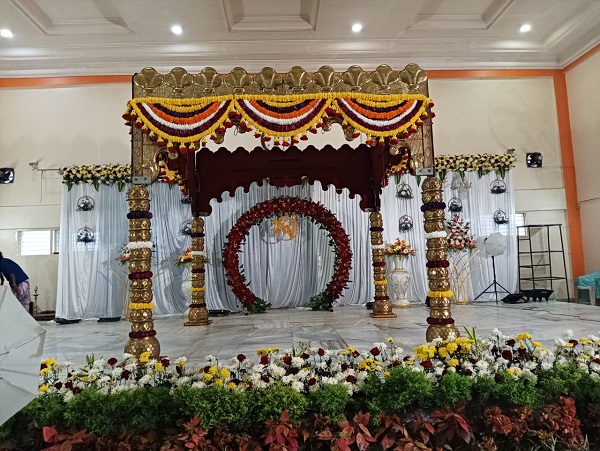
Best places for Upanayanam in Bangalore Best places for Upanayanam in Bangalore Finding the perfect venue for an Upanayana ceremony is about balancing tradition, elegance, and budget. For a gathering of 100-150 people, families look for options that are affordable yet reflect the cultural and spiritual significance of the event. Key Considerations for Choosing the Best Venue: Affordability : Community halls, temple premises, or apartment clubhouses offer budget-friendly options for small gatherings. Elegance and Tradition : Boutique banquet halls, heritage-style venues, or spaces with traditional decor provide a touch of sophistication. Hygiene and Cleanliness : Venues with high standards of cleanliness and modern amenities are essential. Accessibility : Locations that are easy to reach and elder-friendly ensure convenience for all guests. Customization Options : Spaces that allow flexibility for decorations, pooja setups, and catering arrangements add value. By considering these factors, families can find a venue that perfectly blends cultural authenticity with practical needs. Upanayanam halls in Bangalore Here is the list of best places to do Upanayanam in Bangalore. 1. Sriman Madhwa Sangha in Chamarajpet Venue Details: This venue is conveniently located on the main road of Chamarajpet, near Sripadaraja Mutt in Raghavendra Colony. It features three floors with a lift, offering flexibility to suit different event needs. Each floor can be rented individually for separate events or utilized together, with one hall designated for the function and another for dining. Each floor includes 2 rooms with attached bathrooms and a separate kitchen. Alternatively, if the number of attendees is fewer than 100, the same floor can be used for both the function and dining. Capacity: 100-150 pax with floating capacity upto 200 people. Rent of the Hall: 20000/- approx. includes all expenses incurred for electricity, water, cleaning and vessels for catering. Parking: The venue offers parking space for 7-8 cars inside, while additional parking on the road outside is subject to traffic conditions. VENUE ADDRESS: No-51, 5th Main Rd, Raghavendra Colony, Chamrajpet, Bengaluru, Karnataka 560018 Sriman Madhwa Sangha 2. Shivashankar Sabhangana Venue Details: The Party Hall located in Janatha Bazar, Banashankari 3rd Stage (opposite AYODHYA UPACHAR) Bengaluru. Capacity: 32000/- approx. per day from 6am to 6pm and includes all expenses for water, electricity, cleaning and vessels for catering Rent of the Hall: 20000/- approx. includes all expenses incurred for electricity, water, cleaning and vessels for catering. Parking: No facility by the venue, but vehicles can be parked on roadside. VENUE ADDRESS: 6, 1st Cross Rd, Ittamadu, Banashankari 3rd Stage, Banashankari, Bengaluru, Karnataka 560085 Shivashankar Sabhangana Shivashankar Sabhangana Shivashankar Sabhangana 3. Shubh Sankalp Banquet Hall Venue Details: A 150-300 seater multi-purpose Air Conditioned banquet hall, well located in 7th Block, Jayanagar. A well-designed function hall featuring a beautiful stage and a Chimni for homa purposes at Ground Floor. Two rooms with attached bathrooms for added convenience. A dining hall with lift access and a small space for catering to heat and prepare food at First Floor. The hall is furnished with comfortable cushioned chairs, providing a comfortable experience for all guests. Capacity: A spacious Air Conditioned hall for 250 seaters for function and 110 chairs in dining with lift. 150-300 seater multi-purpose banquet hall, well located in Jayanagar. Rent of the Hall: Approx. 60000/- from 6am to 4pm an includes all expenses for water, electricity, cleaning and vessels for catering Parking: No facility by the venue, but vehicles can be parked on roadside. VENUE ADDRESS: #539, 9Th cross, Kanakapura Main Rd, opp. to Nethradhama Eye Hospital, 7th Block, Jayanagar, Bengaluru, Karnataka 560070 4. Shree Saraswathi Kalyana Mantapa Shree Saraswathi Kalyana Mantapa is located in Banashankari 2nd stage, next to Devagiri Raghavendra Swamy Mutt. It has capacity upto 300 people can manage 350 in floating. VENUE ADDRESS: 116/22, 22nd Cross, 23rd Main Rd, near Devagiri Raghavendra Swamy Mutt, Siddanna Layout, Banashankari Stage II, Banashankari, Bengaluru, Karnataka 560085 5. AnanthaParva AnanthaParva – is located in Banashankari, Bangalore. It has one beautiful banquet hall of capacity upto 150 people can manage in floating. VENUE ADDRESS: Hosakerehalli Layout, Banashankari 3rd Stage, Banashankari, Bengaluru, Karnataka 560085 6. Kanaka Bhavan Located very near to RR Nagar Raghavendra swamy Mutt. The function hall at First floor seating capacity is 150. Facilities includes 2 rooms and a dining hall with a 90-100 seating capacity in the ground floor. VENUE ADDRESS: Remco Bhel Layout, Kenchenhalli, Rajarajeshwari Nagar, Bengaluru, Karnataka 560098 7. Shri Kodandarama Swami Temple Located in HAL 3rd Stage, Bhoomi Reddy Colony, New Tippasandra, Bengaluru. VENUE ADDRESS: Sri Rama Temple St, HAL 3rd Stage, Bhoomi Reddy Colony, New Tippasandra, Bengaluru, Karnataka 560075 8. Havyaka Bhavana Located in Malleswaram 11th Cross, Bangalore VENUE ADDRESS: Near Malleshwaram Railway Station. 101/A, 11th Cross, 8th Main Rd, Malleshwaram, Bengaluru, Karnataka 560003 9. Haryana Bhawan VENUE ADDRESS: 1st Main Rd, Ambalipura, Haralur, Bengaluru, Karnataka 560103 10. Green Dot VENUE ADDRESS: 1040, 36th Cross Rd, 4th T Block East, Jayanagar, Bengaluru, Karnataka 560041 11. Yashorama Mini Hall VENUE ADDRESS: 589, MD Rajsikhar Rd, Gokula Extension, Mathikere Extension, Mathikere, Bengaluru, Karnataka 560054 12. Punarvasu Bhavana VENUE ADDRESS: 80 Feet Rd, 1st phase Girinagar, Writers Colony, Giri Nagar, Banashankari 1st Stage, Banashankari, Bengaluru, Karnataka 560085 Shivalli Smartha Bhavana ADDRESS: CA Site no.6,Chikka Basti 4 th stage, Manganahalli Rd, Sir MV Layout 4th Block, Bengaluru – 560060 Shri Rama Devara Temple ADDRESS: WHQC+38F, Ratna Vilas Rd, NR Colony, Basavanagudi, Bengaluru, Karnataka 560019 Sri Prasanna Srinivasa Temple, Palimaru Mut. ADDRESS: 2F4Q+3QJ, Vidyamanya Nagar Main Rd, Vidyamanya Nagar, Bengaluru, Karnataka 560091 Mewar Jain Bhavan ADDRESS: 901, 2, Pipeline Rd, Subedarpalya, Yeswanthpur, Bengaluru, Karnataka 560022 Srinidhi Party Hall ADDRESS: 25, Kengeri Main Rd, opp. Shell Petrol Bunk, Banakshankari 6th Stage 11th Block, Uttarahalli Hobli, Bengaluru-560060 Sri Subrahmanya Matha ADDRESS: 5th Cross Street Akshay Nagar, West, Begur, Bengaluru, Karnataka 560068 Green Dot ADDRESS: 1040, 36th Cross Rd, 4th T Block East, Jayanagar, Bengaluru, Karnataka 560041 Yashorama Mini Hall ADDRESS: 589, MD Rajsikhar Rd, Gokula Extension, Mathikere Extension, Mathikere, Bengaluru, Karnataka 560054 Punarvasu Bhavana ADDRESS: 80 Feet Rd, 1st phase Girinagar, Writers Colony, Giri Nagar, Banashankari 1st Stage, Bengaluru, Karnataka
South Meets North India Hindu Wedding
South Meets North India Hindu Wedding South Meets North India Hindu Wedding A South-North India Hindu Brahmin wedding in South Indian Brahmin style can be a beautiful amalgamation of traditions, ensuring both families feel included while respecting the essence of South Indian customs. Here’s a guide to plan such a wedding: The style of the wedding – whether South Indian or North Indian – forms the foundation to consider everything else. Importance of Gowri Puja before marriage: Blessings for Marital Harmony: The ritual is performed to invoke the blessings of Goddess Gowri for a long, happy, and prosperous married life. Good Fortune: It is believed that the Goddess blesses the bride with good luck, peace, and happiness in her new journey. Strength and Virtue: Praying to Gowri helps the bride imbibe qualities such as patience, strength, and love, which are considered vital for a harmonious marriage. Key Points to Consider: Mutual Agreement of Families & Blend of Traditions Both families should discuss their preferences with their elders and come to a decision If both families are open to adopting one style (South Indian or North Indian), choose based on feasibility, tradition, and comfort. If families want both cultures represented, it can be a fusion wedding. For instance, conduct the main rituals in South Indian style and incorporate a few North Indian customs during pre- or post-wedding events. Practical Feasibility If the wedding is in South India, a South Indian Brahmin wedding might be more practical, and vice versa. Consider logistical aspects like the location, availability of venues, and vendors who specialize in a particular wedding style. Think of place where most of the relatives and friends can attend the wedding, it will reduce the transport and accommodation cost. Budget Consideration Some elements, like attire, decor, and catering, can vary significantly in cost depending on the style. Factor this into the decision. A South-North India Hindu Brahmin wedding in South Indian Brahmin style can be a beautiful amalgamation of traditions, ensuring both families feel included while respecting the essence of South Indian customs. Tips for a Successful Blend Communicate with both families to ensure important traditions from each culture are respected. Personalize the ceremony by sharing the cultural significance of key rituals with guests. Blend Food, Attire, Rituals and Decor from both cultures to create harmony in visuals and experience. Use music from both cultures, mixing Carnatic music with Bollywood or regional songs. Highlight cultural harmony in invitations, wedding favors, and rituals to celebrate the union of two traditions. Pre-Wedding Rituals Naandi : A ritual to seek blessings from the family deity for the smooth conduct of the wedding. Haldi and Mehndi Ceremonies : While Mehndi is typically North Indian, it can be blended with the South Indian “Naandi” ceremony where turmeric is applied to the bride and groom. Nischayathartham/Varapooja (Engagement) : This is a formal ceremony where both families confirm the wedding and couples exchange rings. Include traditional South Indian elements like betel leaves, nuts, fruits, and turmeric. Wedding Day Rituals Venue Decor: Use North Indian-style mandaps with floral arrangements, drapes, and fairy lights. Incorporate brass lamps and rangoli to honor South Indian traditions Attire : Bride: Traditional lehenga or saree with kundan or polki jewelry. Include jasmine flowers in her hairstyle as a nod to South Indian culture. Groom: Sherwani or kurta with a safa (turban). 3. Main Rituals: Baraat: Groom’s procession with family dancing and music as he arrives at the venue. Kashi Yatra: The groom pretends to renounce worldly pleasures and go to Kashi, but the bride’s father persuades him to marry his daughter. Gowripooja: The bride offers prayers to Goddess Gowri for harmony and long lasting marriage. Varmala (Garland Exchange): Bride and groom exchange floral garlands. Kannika Dhanam: The bride’s father gives her away to the groom. Mangalya Dharanam: The groom ties the mangalsutra (thaali) around the bride’s neck, symbolizing their union. Sapthapadi: The couple takes seven steps around the sacred fire, signifying their vows OR Saat Phere (Seven Sacred Vows): The couple circles the sacred fire, taking vows Sindoor and Mangalsutra: The groom applies sindoor (vermilion) on the bride’s forehead and ties the mangalsutra. Note: Mangalsutra is also prominent in South Indian weddings, so this step will feel familiar to both families Post-Wedding Rituals Vidaai: The bride bids farewell to her family as she leaves for her marital home. Reception: Host a reception that features North Indian food and decor. Add a South Indian touch by including dishes like dosa, idli, and filter coffee on the menu. FOOD options To balance both cultures A South Indian Muhurtham menu during the wedding and a North Indian-style menu at the reception allows both families and guests to enjoy and celebrate each other’s traditions. A South Indian Brahmin wedding meal is typically served on a banana leaf and is entirely vegetarian. The dishes are simple, traditional, and reflect South Indian Brahmin customs. Rice, sambhar, rasam, curd Vegetable curries, avial, poriyal Sweets like payasam and laddoo Filter coffee to conclude Reception Menu (North Indian Style) Starters: Paneer tikka, chicken tikka, hara bhara kabab Main Course: Naan, butter roti, biryani, dal makhani, shahi paneer, butter chicken Desserts: Gulab jamun, rasmalai, jalebi with rabri Beverages: Lassi, mocktails This setup ensures the Muhurtham feels authentically South Indian, while the reception embraces North Indian flavors with a touch of fusion! Finally, Blending South and North Indian cultures in a wedding is not just about traditions – it’s about love, respect, and togetherness: Celebrating Diversity – A beautiful fusion of two vibrant heritages, creating moments that reflect love beyond boundaries. Inclusive and Heartwarming – Both families feel honored, fostering deeper connections and shared joy. Rich in Rituals – Meaningful traditions like Oonjal and Saat Phere weave the couple’s story with threads of culture and faith. Vibrant and Stunning – The mix of silk sarees, lehengas, jasmine, and marigolds paints a picture of elegance and emotion. Culinary Love – Guests savor the warmth of South Indian meals and
Gowri Puja Before Marriage
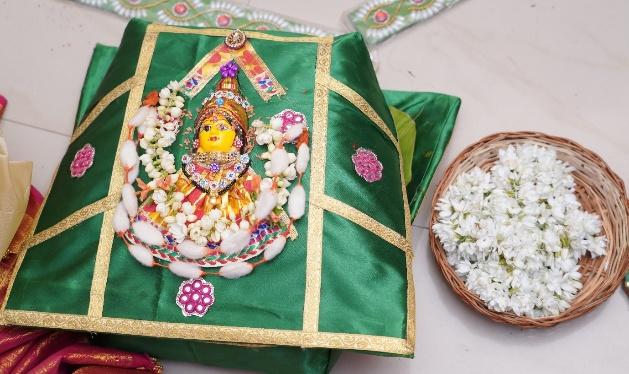
Gowri Puja Before Marriage Gowri Puja Before Marriage Gowri Puja holds immense significance in South Indian Brahmin traditions, especially among Smartha and Madhwa communities, as an essential pre-marital ritual. This pooja, performed by the bride-to-be, is dedicated to Goddess Gowri, a form of Goddess Parvati, symbolizing purity, devotion, and marital harmony. Importance of Gowri Puja before marriage: Blessings for Marital Harmony: The ritual is performed to invoke the blessings of Goddess Gowri for a long, happy, and prosperous married life. Good Fortune: It is believed that the Goddess blesses the bride with good luck, peace, and happiness in her new journey. Strength and Virtue: Praying to Gowri helps the bride imbibe qualities such as patience, strength, and love, which are considered vital for a harmonious marriage. Rituals for Gowri Puja: Traditional and Modern Practices Gowri Pooja, performed before marriage, has evolved over time, blending simple traditional customs with more elaborate and decorative practices. Here’s an overview of the rituals, highlighting both the traditional and contemporary aspects. Traditional Rituals – A simple turmeric figurine of Goddess Gowri is prepared as Haldi Gowri:, symbolizing purity and Shiva Parvati photo behind it. The priest invokes the Goddess with mantras, making the idol sacred. The bride’s intention is offered to the Goddess for a harmonious married life. Baasinga & Mangalya – the wedding ornaments are sanctified during the pooja. In recent times, Families now decorate five Gowris, adorned with ornaments, flowers, and elaborate setups along with Haldi Gowri. The pooja is performed in grandeur, with vibrant displays and community participation. Offering five types of scented flowers – Jasmine, Champa, Shevantige, Sungandharaja, and Jaji -along with maraga (leaf) and davana (herb) to the Goddess is believed to invoke divine blessings. These offerings symbolize purity, beauty, love, and prosperity. In wedding rituals, it is said that such prayers bring heartfelt blessings to the bride-to-be, ensuring happiness, good fortune, and a harmonious marriage. Despite the changes, the core essence remains: seeking blessings for a happy and prosperous marriage Marada Baagina in Gowri Puja Moram, made of bamboo, is considered highly auspicious, symbolizing the multiplication of blessings. It is believed that anything placed inside two morams will return in abundance. Before entering the Mantap, the bride-to-be offers auspicious items in the moram to elderly women who have experienced married life. In return, these women bless the bride with happiness and prosperity. The moram represents the rich cultural heritage, making the practice deeply meaningful in the context of the wedding. Marada Baagina Preparation Mora (Moram): These are bamboo or cane trays used for placing the items. Two morams are usually decorated for the ritual. Gowri Face Decoration: A symbolic representation of Goddess Gowri is crafted or placed on the decorated morams. Often, this includes turmeric, flowers, and artistic detailing. Contents of Marada Baagina The sets typically include five or more of the following auspicious items: Turmeric (Arishina) and Kumkum: Symbolize purity and auspiciousness. Betel Leaves and Areca Nuts: Represent prosperity and good health. Bananas or Other Fruits: Indicate abundance and fertility. Glass Bangles: Signify the well-being and marital bliss of women. Coconut: Represents completeness and is a sacred offering in Hindu rituals. Rice and Toor Dal: Signify nourishment and prosperity. Jaggery and Oil: Symbolize sweetness and sustenance. During Gowri Pooja in wedding, the bride’s mother invites the groom’s mother to participate. The groom’s mother brings pooja items, offers prayers to Goddess Gowri, and blesses the bride for a happy married life. This ritual foster respect and strengthens the bond between the families. Prominence to Mother-in-law: Special importance is given to gifting the mother-in-law, as this is the first and last time the bride formally offers it to her. In some communities, a baagina is also given to the bride’s mother as a gesture of affection. Spiritual Significance of Gowri puja before marriage: The act signifies the bride’s prayers for blessings, prosperity, and strong familial bonds in her new life. This ritual beautifully reflects the bride’s reverence for tradition and her role in fostering harmony in both families. These baaginas hold cultural and spiritual significance, symbolizing prosperity and blessings. During Gowri Pooja, it is customary for the women present to create a devotional and joyful atmosphere by singing traditional songs such as: Lakshmi Shobhane: A devotional song praising Goddess Lakshmi, invoking prosperity, happiness, and divine blessings. Soundarya Lahari: Verses from this hymn, attributed to Adi Shankaracharya, extol the beauty, grace, and power of Goddess Parvati (Gowri). These songs enhance the spiritual ambiance of the ritual, foster unity among participants, and express devotion to the Goddess while seeking her blessings for the bride’s marital life. At the end of Gowri Pooja, aarti is performed, and the bride prays to Goddess Gowri for her husband’s long and healthy life. Following this, the maternal uncle ceremonially escorts the bride to the Mantap for the Muhurtham, marking the beginning of the wedding rituals. Disclaimer: The information provided in this blog is for general informational purposes only and is published in good faith. Wedding rituals and customs may vary based on family traditions, regional practices, and community; readers are advised to consult their family elders or priests for specific guidance.
Devara Samaradhane
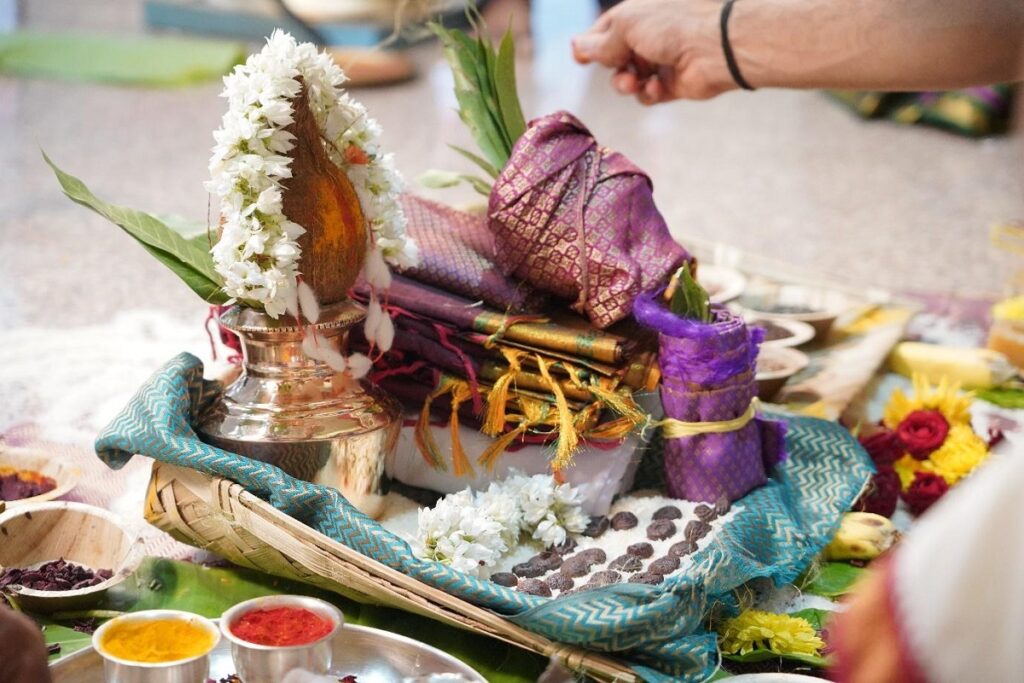
Devara Samaradhane Devara Samaradhane “Devara Samaradhane” is a significant ritual performed in many Hindu households before any auspicious celebration or milestone event within the family. It reflects a deep-rooted cultural tradition of seeking the blessings of the Kula Devatha (family deity) to ensure the event is free from obstacles and to invoke prosperity, peace, and harmony for the family. The term “Samaradhane” signifies an earnest offering or homage. It includes: Prayers to the Kula Devatha: The ritual begins with prayers and offerings to the family deity, symbolizing gratitude and devotion. Sacred items such as fruits, flowers, and traditional offerings are used during the prayer. Honoring Elders: Elders of the family are respected and honored, acknowledging their blessings and wisdom as integral to the well-being and success of the family. Festive Lunch: A grand meal is prepared, often consisting of traditional and elaborate dishes. This meal is served to family members, guests, and the elders as part of the ritual. This ceremony emphasizes family unity, reverence for tradition, and gratitude towards divine and ancestral forces. The rituals performed on the day of Devara Samaradhane Naandi: A ritual to seek blessings from ancestors, especially from the father’s side, for the continuation of the family lineage and prosperity. Malneeru: The bride/groom and their mother undergo a purification ceremony under the Chappara (sacred canopy), where holy water is sprinkled by five women. This symbolizes cleansing and preparation for the sacred wedding rituals. Chappara Pooja: Worship of the Chappara and invocation of blessings from the goddesses for divine protection and well-being of the family. Hooveelya: A ceremony to honor and seek blessings from elderly women of the father’s ancestry. Fruits, flowers, turmeric, and kumkum are offered to the women in the family, symbolizing gratitude and respect. These meaningful rituals, performed before the wedding day, create an auspicious start to the ceremonies while ensuring divine and ancestral blessings for the couple. Similar rituals take place simultaneously at both the bride’s and groom’s homes. These parallel ceremonies reflect the shared spiritual and cultural values of both families, uniting them in purpose and tradition before the wedding day. Disclaimer: The information provided in this blog is for general informational purposes only and is published in good faith. Wedding rituals and customs may vary based on family traditions, regional practices, and community; readers are advised to consult their family elders or priests for specific guidance.
Varapooje
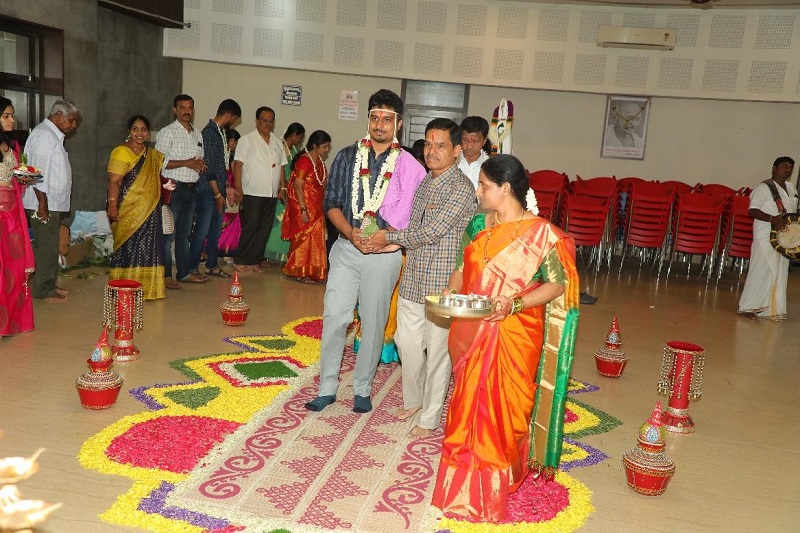
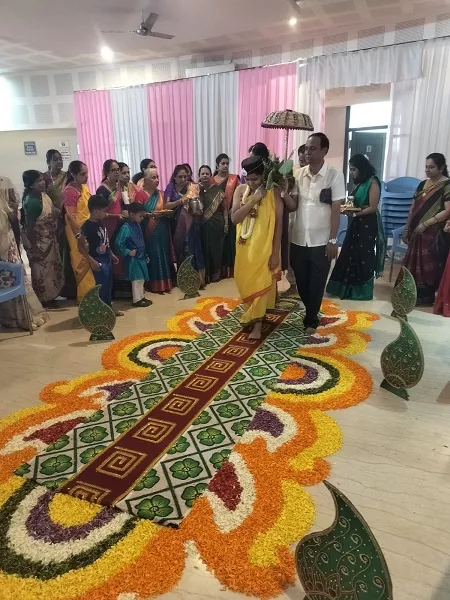
Varapooje Varapooje in Brahmin Wedding The Varapooje ritual is an important and symbolic part of many traditional Indian weddings, especially in South India. It marks the formal welcoming of the groom into the wedding venue or the Mantap (the stage or altar for the wedding ceremony). Here’s a more detailed description of the ritual: Welcoming the Groom and His Family: The groom, along with his family, is formally welcomed to the wedding venue. This is done by the bride’s family, and the welcoming is often accompanied by the tradition of exchanging garlands. These garlands are placed on the groom and his family members as a gesture of respect and goodwill. This is a heartfelt moment as it signifies the union of two families. Groom Welcome Bride’s Father Holds the Groom’s Hand: The bride’s father, a key figure in the wedding, holds the groom’s hand and leads him into the Mantap. This moment signifies the acceptance of the groom into the bride’s family and is symbolic of the passing of responsibility and blessings from the father to the groom. Grand Flower Path (Modern Ritual): In modern times, a beautiful, decorative flower path is often created for the groom’s welcome. The path is laid out with flowers, and it provides a grand visual effect as the groom walks down the aisle. Traditionally, the bride’s father accompanies the groom, and they walk together down the center of the flower path. Lighting the Lamp: The groom and the bride’s father light a ceremonial lamp at the center of the Mantap. The lighting of the lamp is highly symbolic, signifying the beginning of the wedding rituals. It represents the illumination of the path ahead for the couple as they embark on their marital journey, bringing light and positive energy into the ceremony. This ritual not only marks the beginning of the wedding festivities but also symbolizes the unity of two families and the start of a new chapter in the lives of the bride and groom. It blends tradition with modern elements, creating a memorable and auspicious moment for everyone involved. Meaning of Varapooja: Varapooja is a reaffirmation of the engagement, performed a day before the wedding. The ritual involves reconfirming the consent of both families for the marriage. The Lagnapatrike (marriage agreement) is read out again in the presence of elders and the family deity. This ceremony reinforces the mutual agreement and blessings for the couple’s union. As the ceremony unfolds, the two families gather with smiles and warmth, exchanging gifts like fruits, flowers, and sweets. It’s not just about the items—they’re symbols of respect and a promise to grow closer as one big family. The usual list of items given by grooms mother to the girl during Varapooja is as below: Dry Coconut Carvings Dry Fruits 5 types of Fruits Sweets Doll Sets to depict the rituals Halid, Kumkum with bangles and flower 5 Coconuts 5 Bella(Jaggery mould) with fried channa gram(Hurigadle) Chakli – fried eatble items with bigger size for display Puffed Rice Balls (Puri Unde) in bigger size List of Items from Bride side to Groom side during Vara pooje is as below: Dry Coconut Carvings Dry Coconuts cut in halves with sweets 5 types of Fruits Dry Fruits box Sweets Boy & Girl Dolls Chakli & Puri Unde items Cosmetics Sugar Moulds (Sakkare Acchu) The list of gift exchanges during varapooja can go on endlessly, tailored to individual preferences—whether simple, grand, or eco-friendly. The true essence lies in the joy of celebrating and sharing, with the focus on the heartfelt spirit of giving and receiving. The atmosphere feels magical, with traditional food beautifully arranged and colorful decorations lighting up the space. Laughter and chatter fill the air as everyone takes in the festive spirit, celebrating the union of two families and the beginning of a beautiful journey for the bride and groom. As the ceremony ends, the bride and groom exchange rings, symbolizing their love and commitment. Sweets are shared, spreading joy and gratitude as both families come together to celebrate the couple’s union and the blending of their traditions. Disclaimer: The information provided in this blog is for general informational purposes only and is published in good faith. Wedding rituals and customs may vary based on family traditions, regional practices, and community; readers are advised to consult their family elders or priests for specific guidance.